
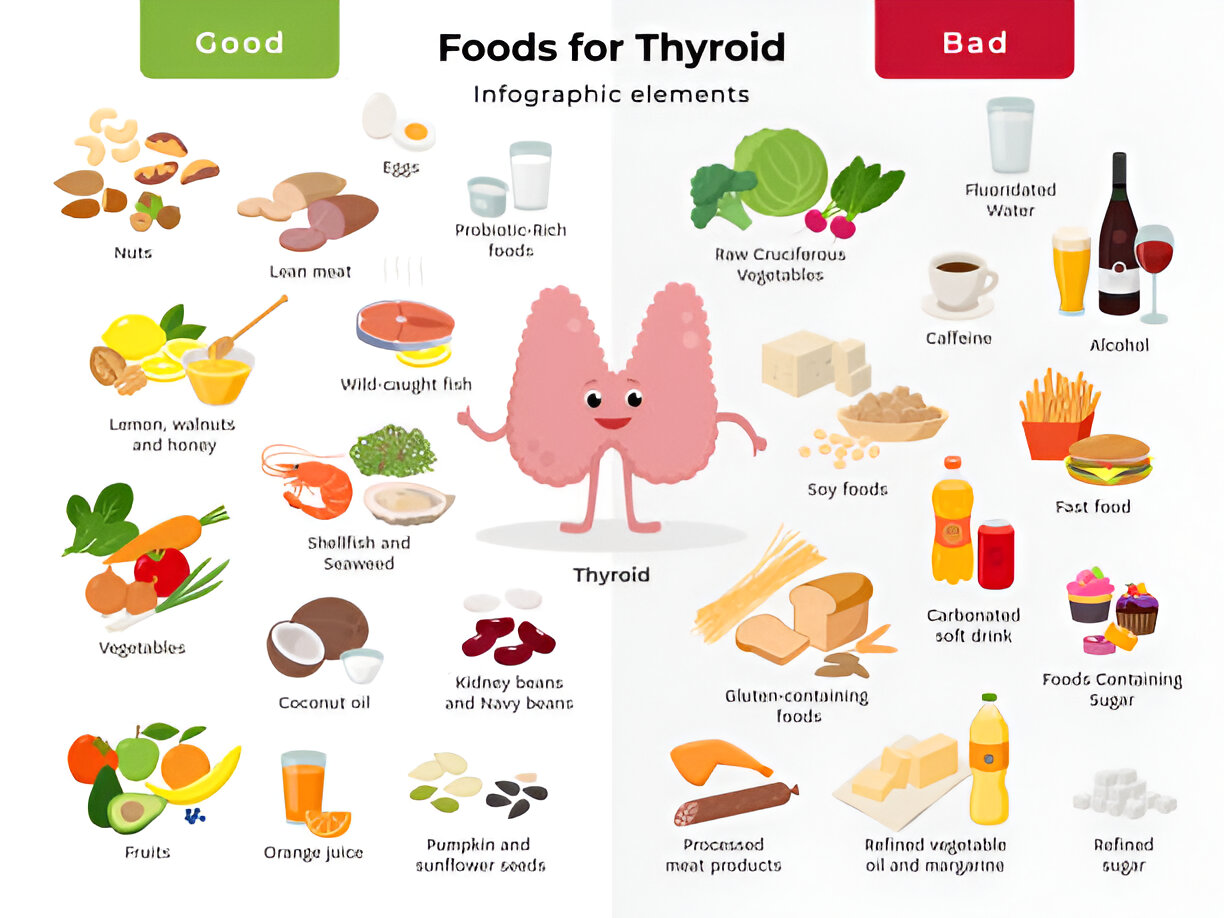
Can Diet Help Manage Thyroid Disorders?
Thyroid disorders are among the most common endocrine issues worldwide, affecting millions of people, especially women. Whether it's hypothyroidism (underactive thyroid) or hyperthyroidism (overactive thyroid), these conditions can significantly impact your metabolism, energy levels, weight, and overall well-being. While medication remains the cornerstone of treatment, many patients wonder: Can diet play a role in managing thyroid health?
The answer is yes, to a large extent. Although food cannot replace medication for most thyroid conditions, a balanced and targeted diet can support thyroid function, ease symptoms, and improve overall health.
Key Nutrients for Thyroid Health
Foods to Limit or Avoid
Hydration & Lifestyle Matter Too
Staying hydrated helps support metabolic and cellular functions. Also, maintaining a routine that includes regular physical activity, sufficient sleep, and stress management is essential—chronic stress can negatively impact hormonal balance, including thyroid function.
When to Seek Medical Advice
While diet plays a supportive role, it’s not a substitute for medical care. If you’re experiencing symptoms like fatigue, weight changes, menstrual irregularities, or hair loss, consult an endocrinologist. They can recommend blood tests, medication, and provide personalized dietary advice.
Conclusion
Diet can be a powerful tool in managing thyroid disorders by aiding hormone production, reducing inflammation, and boosting energy. When combined with proper medical care, a nutrient-rich, well-balanced diet can help improve your quality of life and manage thyroid-related challenges effectively.